Insurance Is Quietly Changing the Game: What Every Real Estate Agent Needs to Know Before the Inspection
If you’ve been in real estate for more than five minutes, you already know inspections can make or break a deal.
But here’s what’s catching a lot of agents off guard right now:
It’s not the inspection itself that’s killing deals; it’s what happens after when insurance gets involved.
We’re seeing more transactions fall apart not because of massive structural issues, but because buyers can’t get insurance or the cost comes in way higher than expected based on what’s found during the inspection.
And the worst part? Most of these issues are predictable.
Let’s break down what’s happening, what inspectors are seeing on the ground, and how you can stay ahead of it so your deals don’t implode at the finish line.
The Shift: Insurance Companies Are Getting Way More Strict
Insurance carriers are tightening up. Fast.
Why? A few big drivers:
- Increased claims from water damage and weather events
- Aging housing stock
- Rising repair costs
- Risk reduction strategies across the board
Translation: they’re no longer willing to settle for “good enough.” They want low risk, and they’re using inspection findings to make that call.
So what used to slide five years ago? Not anymore.
The Big Three Deal Killers (That Start With the Inspection)
Let’s talk about the issues that are showing up in reports—and then triggering insurance problems immediately after.
1. Roof Age and Condition
This is the heavyweight champion of deal killers right now.
Most carriers have tightened guidelines around roof age:
- 15–20 years? Expect scrutiny
- Over 20 years? Many carriers won’t touch it
- Visible wear? Instant red flag

Even if the roof isn’t actively leaking, insurance companies care about the roof’s remaining life, not just its current condition.
What this means for your deal:
- Buyers may be required to replace the roof before binding coverage
- Insurance premiums can spike significantly
- Some buyers walk once they realize the out-of-pocket cost
What you can do:
- If the roof looks older flag it early
- Set expectations before the inspection
- Recommend a roof certification if needed
No one likes a $15,000 surprise two weeks before closing.
2. Electrical Systems (Especially Older Ones)
Electrical is another area where insurance companies are drawing hard lines.
The biggest offenders:
- Knob-and-tube wiring
- Aluminum branch wiring
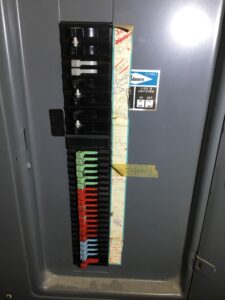
- Federal Pacific and Zinsco panels
These aren’t just “older systems” to insurance companies, they’re liability magnets.
What this means for your deal:
- Some carriers will flat-out deny coverage
- Others require full replacement before issuing a policy
- Lenders may step in if insurance can’t be secured
What you can do:
- Know the age of the home and likely system types
- Prep buyers ahead of time
- Encourage evaluation by a licensed electrician early if there’s any doubt
This is one of those issues where ignorance doesn’t help anyone—it just delays the inevitable.
3. Plumbing Issues and Water Damage Risks
Water is the silent deal killer.
Insurance companies are extremely sensitive to anything that suggests:
- Active leaks
- Previous water damage
- Polybutylene piping
- Poor drainage around the home
Even something that seems minor in an inspection report can trigger concern.
What this means for your deal:
- Insurance underwriting may require repairs before approval
- Premiums can increase
- Buyers may renegotiate aggressively—or walk
What you can do:
- Pay attention to drainage, crawlspaces, and signs of moisture
- Recommend sewer scopes for older homes (seriously—this saves deals)
- Help buyers understand the difference between maintenance and major risk
The Hidden Layer: When Insurance Enters the Conversation Late
Here’s where things really go sideways.
A lot of buyers don’t seriously engage with insurance until after the inspection.
That means:
- Inspection identifies issues
- Buyer shops for insurance
- Insurance flags those same issues
- New requirements or costs appear
- Deal stress skyrockets
At that point, emotions are high, timelines are tight, and leverage gets messy.
Why This Matters More Than Ever
This isn’t just a temporary blip; it’s a shift in how deals function.
Inspections used to be the main checkpoint.
Now, it’s more like:
Inspection → Insurance Review → Reality Check
If you’re only preparing your clients for step one, you’re leaving them exposed for step two.
And that’s where deals are quietly dying.
How Smart Agents Are Staying Ahead of It
The agents who are adapting to this shift aren’t working harder—they’re working smarter.
Here’s what they’re doing differently:
1. Setting Expectations Early
Top agents aren’t waiting for surprises.
They’re saying things like:
- “Insurance may have opinions on this roof.”
- “Older electrical systems can be an issue for coverage.”
- “We may need to look deeper into plumbing depending on what we find.”
This positions you as proactive—not reactive.
2. Recommending the Right Inspections Up Front
This is where you can really differentiate yourself.
Standard home inspection? That’s the baseline.
But depending on the property, adding:
- Sewer scope
- Mold/air quality testing
- Roof evaluation
…can uncover issues before insurance does.
And when you control the timing, you control the conversation.
3. Encouraging Early Insurance Conversations
This is low effort, high impact.
Have buyers connect with an insurance agent early—before inspection if possible.
That way:
- Red flags can be identified early
- Backup options can be explored
- There are fewer last-minute surprises
Think of it as parallel processing instead of a bottleneck.
4. Using the Inspection Report Strategically
Not everything in an inspection report is equal—but insurance companies don’t always see it that way.
Helping your clients understand:
- What’s a real risk
- What’s typical maintenance
- What’s likely to trigger insurance concern
…can make a huge difference in how they respond.
This is where you become more than a transaction coordinator—you become an advisor.
Real-World Scenario (Because This Happens All the Time)
Let’s paint a quick picture.
Buyer goes under contract on a 1990s home. Looks solid. No obvious issues.
Inspection comes back:
- The roof is nearing the end of its life
- Minor moisture in the crawlspace
- Older electrical panel
Nothing catastrophic—but enough to note.
Buyer moves forward.
Then insurance steps in:
- Requires roof replacement within 30 days
- Flags moisture as a potential risk
- Questions panel type
Suddenly:
- Buyer is staring at $15k–$25k in repairs
- Negotiations reopen
- Timeline gets tight
- Stress goes through the roof (pun intended)
This is the exact scenario that’s becoming more common.
The Opportunity: Position Yourself as the Calm in the Chaos
Here’s the upside.
Most agents are still playing catch-up on this shift.
If you get ahead of it, you instantly stand out.
You become the agent who:
- Anticipates problems
- Prepares clients
- Keeps deals together
And that’s the kind of agent people refer.
Where Inspectors Fit Into This
A good inspector isn’t there to kill your deal; they’re there to surface reality.
But the best outcomes happen when:
- Agents set expectations
- Inspectors communicate clearly
- Clients understand context
That’s when deals move forward with confidence, not confusion.
Final Takeaway: This Isn’t Going Away
Insurance isn’t loosening up anytime soon.
If anything, guidelines will continue to tighten.
So the play here is simple:
- Anticipate the issues
- Educate your clients early
- Use inspections strategically
- Bring insurance into the conversation sooner
Do that, and you’ll avoid the last-minute surprises that derail transactions, and you’ll build a reputation as someone who actually knows how to navigate the modern market.
Quick Cheat Sheet for Agents
Before Inspection:
- Flag potential red flags (roof, electrical, plumbing)
- Recommend additional inspections when needed
- Encourage early insurance conversations
After Inspection:
- Help interpret the report
- Identify what insurance may care about
- Strategize next steps before panic sets in
If you start treating insurance like part of the inspection process—not something that happens after—you’ll save deals, reduce stress, and keep your clients a whole lot happier.
And honestly? That’s the game.