
There’s a very specific confidence that shows up right before a DIY home inspection. It usually sounds like, “I’ve watched enough YouTube to know what I’m doing.” And honestly, that curiosity is smart. Being an engaged buyer is part of a solid home buying strategy. However, that confidence tends to fade quickly when a “charming old-house smell” turns out to be a costly repair you wish you’d added to your home inspection checklist sooner.
A professional home inspection isn’t just a “vibe check”—it’s a comprehensive risk audit for your investment. The difference between doing it yourself and hiring an expert isn’t about effort; it’s about deep system understanding. While anyone can notice a cosmetic crack, the real value of a certified home inspector is knowing the root cause, determining if a defect is still active, and estimating what it could realistically cost to repair down the line.
That’s why expert evaluations still matter, especially for those buying in the unique climate of Western Washington. Even in a world where information feels unlimited, a professional provides the data you need to negotiate with confidence.
One of the most underrated parts of a professional inspection is context. The word “normal” matters more than people realize. A first-time buyer might see a crack and assume the worst. A repeat buyer might downplay something that actually deserves attention. A good inspector helps sort that out. They can explain whether a condition is typical for the age and style of the home, whether it’s something to monitor, or whether it’s a genuine issue that should factor into negotiations or future planning.
Without that context, buyers often swing to extremes. Either everything feels terrifying, or nothing feels important. Neither is especially helpful when you’re making a long-term decision.
Another major difference between a DIY walk-through and a professional home inspection lies in the specialized equipment used to uncover hidden defects. While most buyers rely on what they can see or smell, a certified inspector utilizes advanced technology to identify issues that aren’t visible to the naked eye.
At Key Inspection Services, we use data-driven tools to turn uncertainty into clear information:
-
Infrared Thermal Imaging: We use thermal cameras to detect hidden moisture, insulation gaps, or electrical hotspots behind walls that could indicate a serious problem.
-
Sewer Scope Inspections: A sewer scope allows us to see the internal condition of your main waste line, identifying root intrusions or pipe collapses that a standard inspection would miss.
-
Moisture Meter Testing: Essential in the rainy Western Washington climate. We use professional-grade meters to confirm if a ceiling stain is an active leak or just an old spot.
-
Combustible Gas Detectors: These sensitive tools help us identify small gas leaks in furnaces or water heaters that a person might not be able to smell.
Modern Safety: Air Quality and Mold Testing
The evolution of home inspections now emphasizes health and safety. Today’s buyers are much more aware of the risks to indoor air quality, especially from mold allergens and poor ventilation.
If a home has a history of water damage or musty odors, we can perform professional air sampling and mold testing. Having these clear answers helps you move forward with confidence, knowing the air in your new home is clean and safe for your family.
Professional tools provide data-driven insights that we use at Key Inspection:
-
Thermal Cameras: Detect hidden moisture and heat loss.
-
Sewer Scopes: Inspect underground lines for blockages or breaks.
-
Moisture Meters: Confirm if a stain is an active leak or an old spot. Very helpful with how rainy Seattle, WA is.
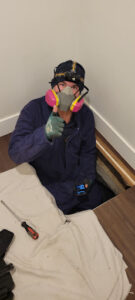
The structure of the inspection itself also matters, especially in older or more complex homes. A single inspector can only be in one place at a time. That means trade-offs. Spending extra time in a crawlspace means less time elsewhere. Add-ons like sewer scopes or air testing may require separate scheduling, which can be stressful when timelines are tight.
A team-based approach changes that experience. Multiple systems can be thoroughly evaluated without rushing, and additional testing can often be performed during the same visit. The result is fewer blind spots, less pressure, and clearer communication—things both first-time and repeat buyers tend to appreciate.
There’s also a level of accountability that DIY inspections simply can’t offer. Professional inspectors work within established standards, follow ethical guidelines, and document their findings in a way that’s meant to be understood and referenced later. That structure protects buyers from the most common regret in real estate: realizing after closing that you didn’t know what you didn’t know.
Doing your own walk-through still has value. It helps you understand the space, notice things that matter to you personally, and decide whether a home is even worth pursuing. But when it comes time to protect your investment and avoid surprises that show up after the boxes are unpacked, a professional inspection becomes less of an extra and more of a safeguard.
The goal isn’t to scare buyers or kill deals. It’s to replace uncertainty with clarity so people can make confident, informed decisions about where they’re going to live.
DIY helps you look.
Professional inspections help you understand.
And that difference tends to matter long after closing day.
A quick, neutral note on choosing a home inspector
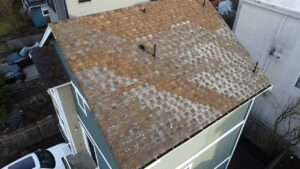 Whether this is your first home or your fifth, it helps to look for an inspector who takes time to explain findings in plain language, not just hand over a report. Experience with homes similar in age and style to the one you’re buying matters, as does the ability to offer or coordinate additional testing if concerns come up. Clear communication, thorough documentation, and a willingness to answer questions after the inspection are often better indicators of quality than speed or price alone.